
Blog
Behavioural segmentation: The complete guide for ecommerce marketers
Learn more


Even in the best of times, customers can be unpredictable. Then throw in a pandemic to the mix…
As restrictions waver and realities change, what an individual felt comfortable doing at the beginning of last year may not be an option now. Consequently, marketers have had to pivot on a moment’s notice and reinvent how they communicate with customers. Successful brands are those who remain connected to their customers with relevant messaging and continued delivery of positive customer experiences. Loyalty marketers have an advantage here - they already have data-driven insights and close customer relationships.
But even the strongest loyalty strategies are not immune to the need for agility and evolution. In fact, we are seeing that the pandemic has been a catalyst for some brands to reimagine loyalty - what it means, how to build it and how to maintain it. We believe in the chaos that was 2020, also comes the opportunity to innovate. To help you get started, I’ve identified the top trends in consumer values and behavior that will impact your loyalty strategy, and some tips on how to bolster your efforts as you move into the new year.
What’s happening?
The headlines around data privacy are beginning to compound. Most notably, walled gardens like Facebook and Google have come under fire for privacy concerns: In an Illinois class-action lawsuit, Facebook has been ordered to pay up to $650 million to specific residents for misuse of facial recognition technology, while Google’s acquisition of Fitbit has raised international concerns for the collection and use of health-centric data.
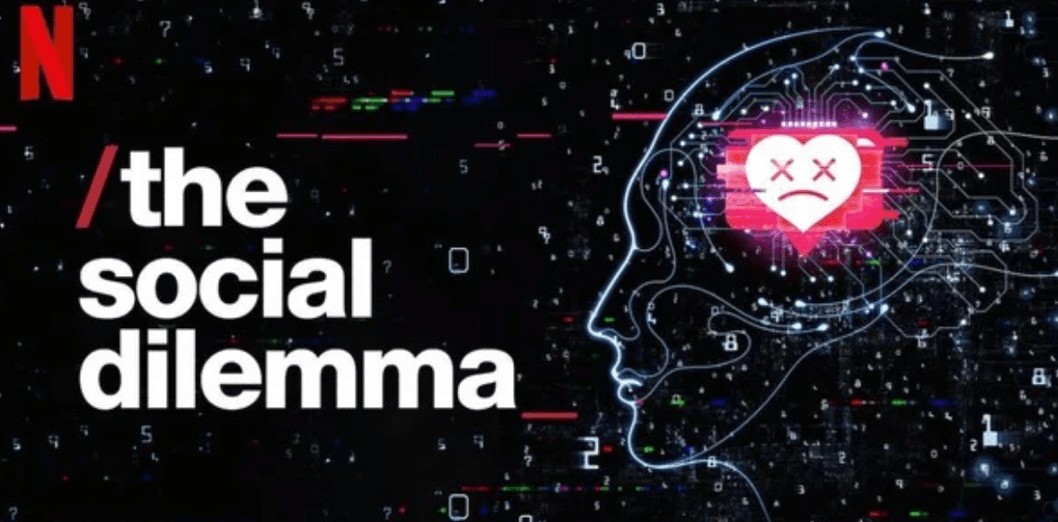
But the conversation doesn’t end there. The Social Dilemma, a documentary warning consumers of the potentially harmful impact of persuasive design techniques and algorithms fueled by consumer data, has reached a global audience on Netflix with viewership topping 38 million (and counting).
How customer data is being used - and sometimes abused - is creeping towards the forefront of people’s minds, and they’re starting to take it seriously. A major impact of this reckoning is a craving for trust and transparency from brands and tech giants alike.
What does it mean for your loyalty strategy?
For loyalty marketers, things look a bit different. Because loyalty programmes are opt-in, consumers are voluntarily offering up their data in return for personalised content and special access to offers and promotions. But in 2021, with concerns around consumer data privacy becoming heightened, it’s imperative the value exchange between customers and brands is actually valuable to the customer and that you instill trust - because they’ll be expecting it.
Walgreens is a recent example of a brand that reinvented their current loyalty programme to improve the value exchange for customers. The new myWalgreens rewards program offers an even more robust, personalised solution than their previous Balanced Rewards programme. myWalgreens makes saving and shopping easier, while focusing on the holistic health and wellbeing of customers at the center of their strategy. Customers get more from the myWalgreens programme, as it moves beyond just point-based rewards to “personalised deals, product recommendations, well-being benefits and more ways to get time back. From prescription refills to curbside pickup.” Equalising the value exchange ultimately makes the customer feel like their contributions (i.e., sharing personal information and opting into communications) are worth it.

What’s happening?
The craziness that was 2020 - from the pandemic to Brexit and more—has everyone looking for a break (I know I need one). In research we conducted with Retail Week last year, nearly 33% of respondents predicted that they would be even more unhappy in 2021. People are gravitating towards experiences that allow them to evade this reality for a bit.
We’ve seen escapism pop-up across industries. Recently, a wave of 2000s television shows like Survivor and America’s Next Top Model have been added to Netflix’s lineup. The shows have consistently found themselves in the top 10 for the week—the streaming giant even announced America’s Next Top Model has over 1.5 million views an episode.
Outside of television, the New York Times identified isolationist travel as the new form of escapism during the pandemic. Remote camping, road trips and hiking are the new go-to as people reimagine their holidays because air travel or group trips to resorts may pose hygiene and safety risks.
What does it mean for your loyalty strategy?
Loyalty marketers should take this as a cue that people are looking for something more than offers and promotions. They’re looking for experiences and emotional connections. Something to distract them from their everyday. Experiential loyalty will be big in 2021, but maybe not in the traditional sense of splashy rewards like in-person getaways, meet & greets and VIP galas. As more people are poised to stay at home during Q1, loyalty will be built by ensuring you engage on the right channels with appropriate emotional experiences. And of course, by creating contactless loyalty with customers. This means focusing on top-notch experiences that don’t require in-person interactions, like curbside pickup and app ordering.
Dunkin is a prime example of a brand that quickly shifted to create positive customer experiences early on in the pandemic, by offering safe, contactless ordering and pickup through their app. Their external messaging promotes the app as the first step in the ordering process. Once customers have downloaded the app, they can choose to continue signing up for the rewards programme or order as a guest.
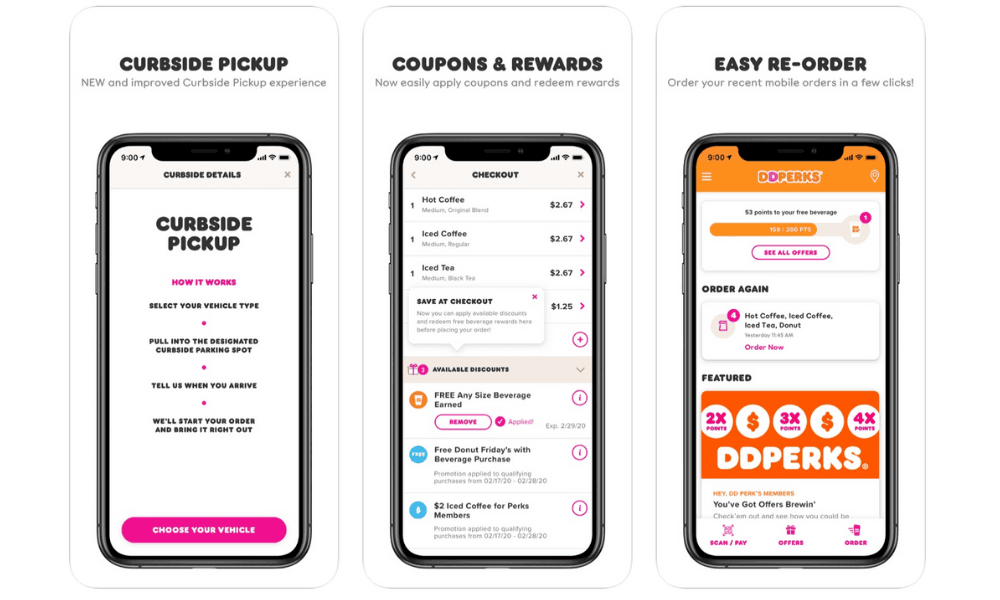
Dunkin also added curbside pickup to 1,000 stores that didn’t have drive-thru options (which now represents 2% of all transactions at those stores). They also expanded delivery from 2,000 to 4,000 locations across the US. Crafting an experience that easily allows customers to place orders through their app, and having the option for delivery or curbside pickup, is a huge win—contactless delivery orders are 3x the average check size.
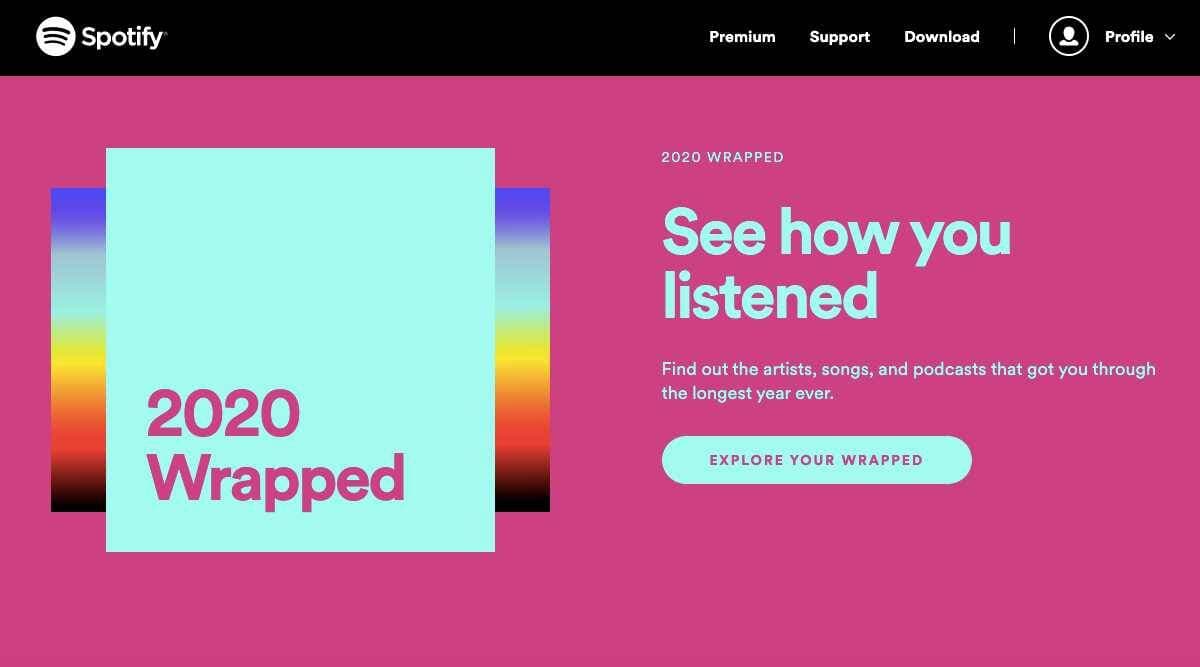
Spotify has also nailed experiential loyalty for a few years in a row. Their Spotify Wrapped year-in-review analyses robust behavioral data to detail a user’s top songs, artists and genres. A user can watch a kitschy video of their listening history and then share it across social media platforms. The buzz around Spotify Wrapped is unparalleled with any other music streaming platform - some users actually choose Spotify over, say, Apple Music just so they can see their Wrapped results every year (just ask Twitter). The rather simple but extremely effective experience allows people to reflect on the music they escaped to for the year - plus, it’s fun!
What’s happening?
With news of a vaccine, people are hopeful we can return to “normal life” at some point in in 2021. This Washington Post article sums it up perfectly; 2020 is cancelled. While the pandemic isn’t going away any time soon, the new year will be about growth, rebuilding and fresh starts.
While people are trying to cope with reconnecting to some sense of normalcy, we’re noticing a rising wave of nostalgia that reminds people of the good ol’ days. Ford is releasing a new version of the iconic Bronco. Even high fashion brands are resurrecting 2000s fashion trends.
What does this mean for your loyalty strategy?
This should excite loyalty marketers. The future of loyalty is bright if brands work to understand their customers - what they’re feeling and thinking about the world. But in order to do this, loyalty marketers should set their sights beyond transactional data. They need to focus on contextual data as well such as behaviors, interests and changes in browsing behavior. While transactional data is extremely important, think beyond purchases and consider the bigger picture of a person’s every day (and how your brand can fit into it).
One way Marriott has picked up on consumers’ craving for hope and anything to look forward to is by encouraging travelers to use their loyalty points now for their vacations next year. People can “travel with a peace of mind” with flexible cancelations and contactless services. That way, travelers can feel comfortable booking a trip in the future without the worry of a difficult cancelation.
In 2020, we learned that customers are expecting more from brands - and this will only intensify in 2021. They’re expecting trust, an escape and a glimmer of hope. Using the trends we’ve highlighted above, loyalty marketers can evolve their strategy for the new year. It’s time for brands to take a step back and reimagine loyalty.

Tamara Oliverio is a Vice President of Strategic Consulting at Epsilon.

