
Blog
Behavioural segmentation: The complete guide for ecommerce marketers
Learn more

The Golden Age of Advertising combined with extravagant egg sandwiches and the science behind a good ad. Welcome to the Weekly Round-Up.
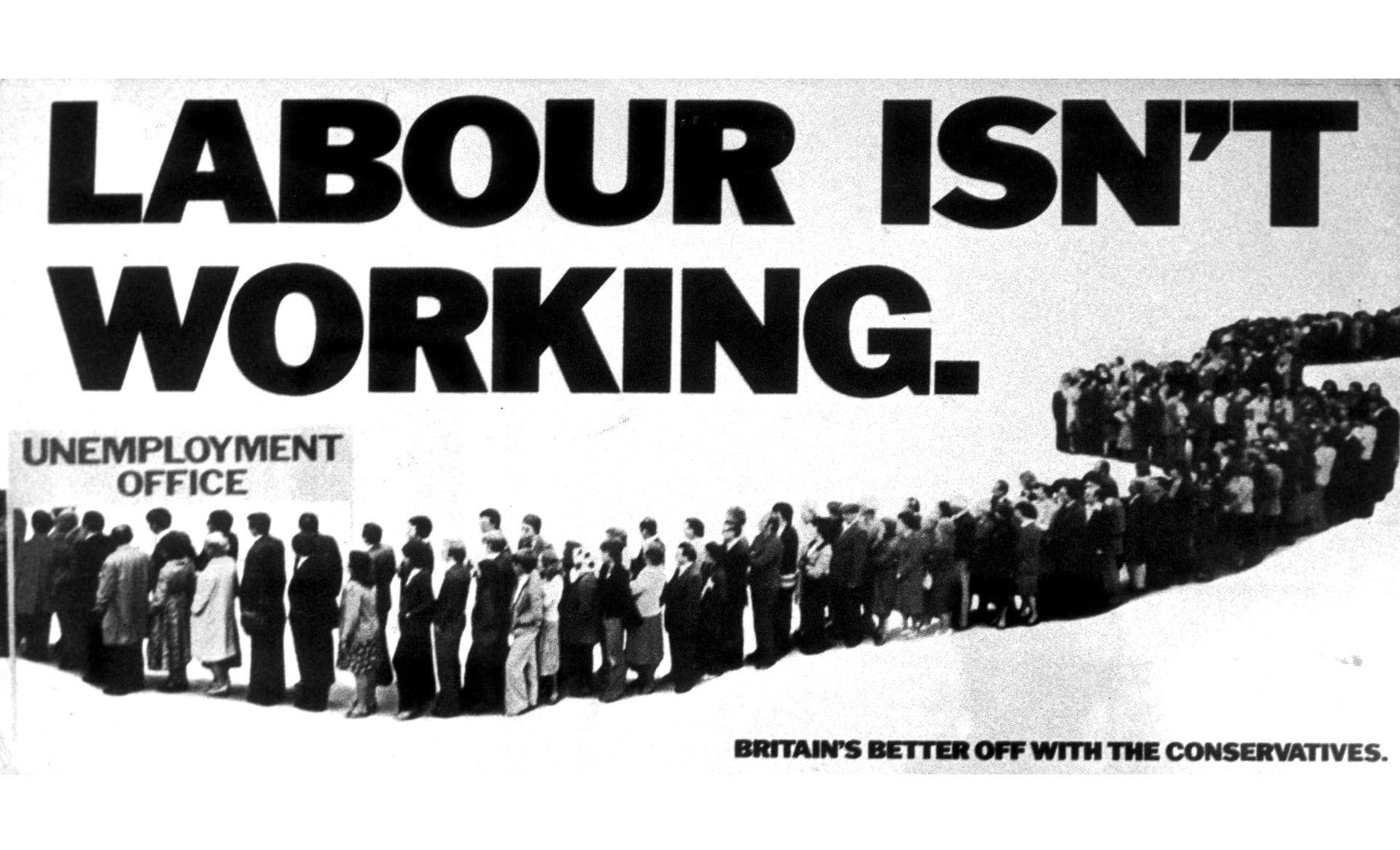
Advertising nerds rejoice – the History of Advertising Trust (HAT) has launched a podcast on the golden age of British advertising. The History of Advertising Podcast, which is on iTunes now, is hosted and produced by Jack Meggitt-Phillips and will feature renowned industry experts such as M&C Saatchi’s Jeremy Sinclair CBE, the so-called quiet man of advertising. At 10 minutes a pop the episodes are short and sweet but pack a serious punch, focusing on the defining moments of British advertising. These include the ‘Labour Isn’t Working’ campaign which helped Thatcher win her thorny crown and, on a more savoury note, Tesco’s infamous ‘Every Little Helps’, and After Eight’s delicious ‘Dinner Party’ campaigns. Three episodes have been posted so far, so what are you waiting for? Get your fill now!
Though it’s been around for quite a while in social media years, of the sector, Pinterest is still a little bit of an enigma to many. Yes, it provides inspiration and aids creativity for the individual, but the questions around its effectiveness for monetisation are often up for debate. Still, it looks like the site has found its in with media buyers and brands, and it’s through competitive pricing. According to Digiday, brands are reportedly flocking to spend on the site, and here’s why.
“Compared to other online media owners, Pinterest delivers competitively. A CPM on Facebook sits at between £2 and £3 depending on the vertical, whereas a CPM on Pinterest is around £1.50.” Further to this, the engagement rate of these slots is five to eight per cent, an attractive draw for advertisers. While it may not have the social media monopoly yet, it would be encouraged for competitors to watch this space.
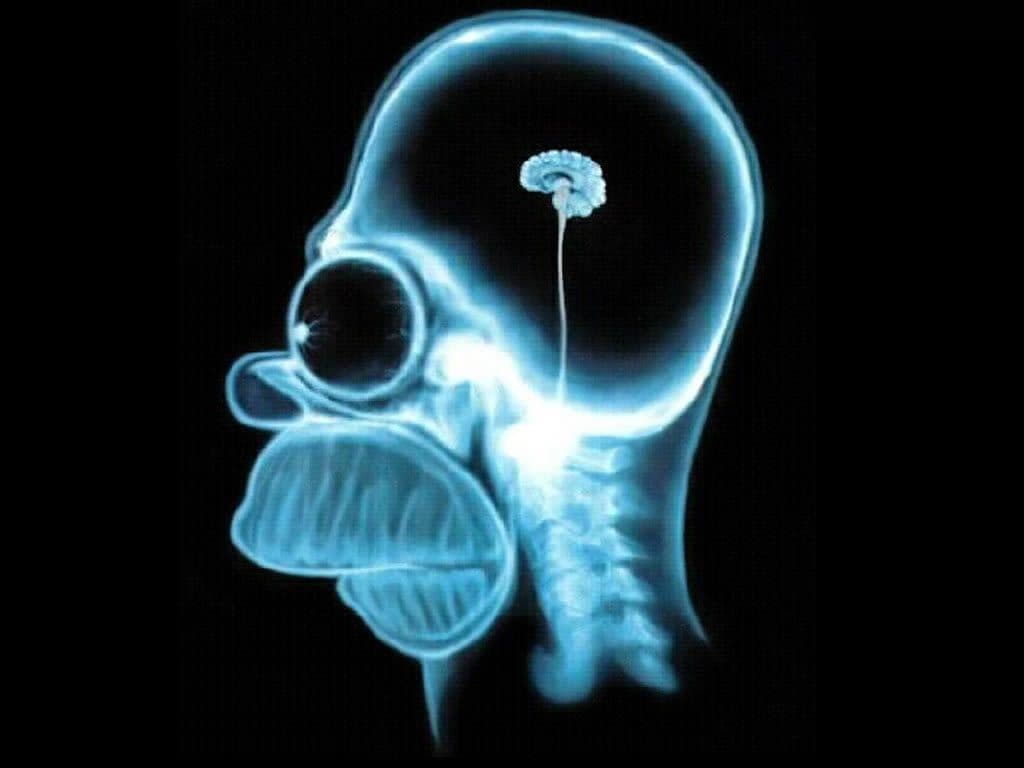
It is a question we have all asked and antagonised over during at least one point in our careers – what makes an ad good? Neil Davidson, MD of HeyHuman is claiming that the answer is simply down to, well, simplicity. Presenting at SXSW 2019, Davidson told of how his neuroscience team tested the effectiveness of some of the industry's most favoured ads, including Sony’s Balls and Apple’s 1984. What was found was that, in order to be effective, our brains need to see something with low cognitive recall, i.e. the less our brains have to do, the more effective the ad is. Davidson said this, “Our brains are incredibly lazy organs – they have to be, they are a massive energy drain on our bodies. But time and again we expect people to engage with incredibly complex content and ideas. The challenge is in creating work that is cognitively engaging but still manages to hero the creative idea.”
From good ads to bad, Google showed their diligence last year in cracking down on false advertising online. In 2018, the tech giant took down a whopping 2.3bn ads in a bid to tackle the issue of fraud. Though this is undoubtedly a stellar effort by Google, this figure of 2.3bn is almost a billion more than the year previous, which could suggest that false advertising is becoming increasingly common. To combat the issue and weed out the offenders Google has added 31 new ad policies. In terms of what we are dealing with and what consumers should be aware of, last year Google took action against around 207,000 ticket reseller ads, 59m phishing ads, and took down 1.2m fake news sites, and that’s only the beginning. Still, Google continues to work against the issue. According to The Drum, “Google launched 330 detection classifiers to determine an ad's "badness" directly on a website, around three times as many classifiers it introduced in 2017.”
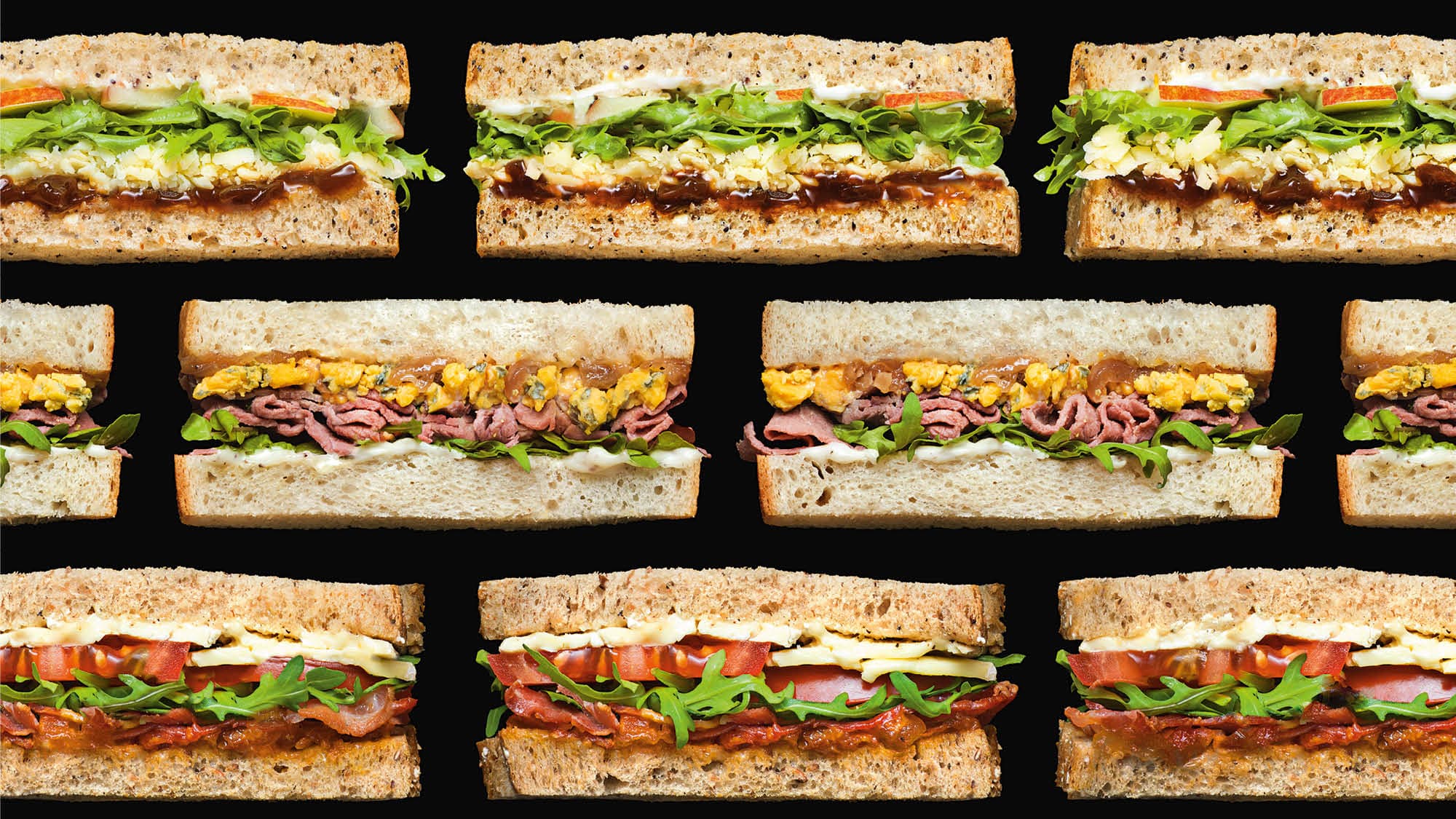
Between rocky sales figures and a multitude of store closures, it’s been a rough couple of months for M&S, so naturally, a sponsorship deal with one of the U.K. and Ireland’s most watched television shows would mean a change in fortune for the longstanding retailer, right? Well, it's still up for debate. Britain’s Got Talent will return to screens next month and with it will come an old presenter, Ant McPartlin, and a new sponsor, M&S Food. And while the show is expected to garner millions of viewers, some are questioning whether or not these are the eyes wanted on the M&S brand. Research carried out by YouGov, reckons that there is a bit of a disparity between the brand’s audience and the show’s. According to YouGov, fans of M&S Food think of the brand as “classy” and have further shared interests such as BBC News, John Lewis, and Isaac Newton. Fans of BGT, on the other hand, are into Snapchat, Miss Selfridge, and Robin Thicke. While this may come across as a rather haughty observation, it does not mean it is an untrue one, with egg sandwiches retailing at €4 and Robin Thicke's album going for around the same, you have to wonder if the BGT audience is really the one M&S needs right now.

